


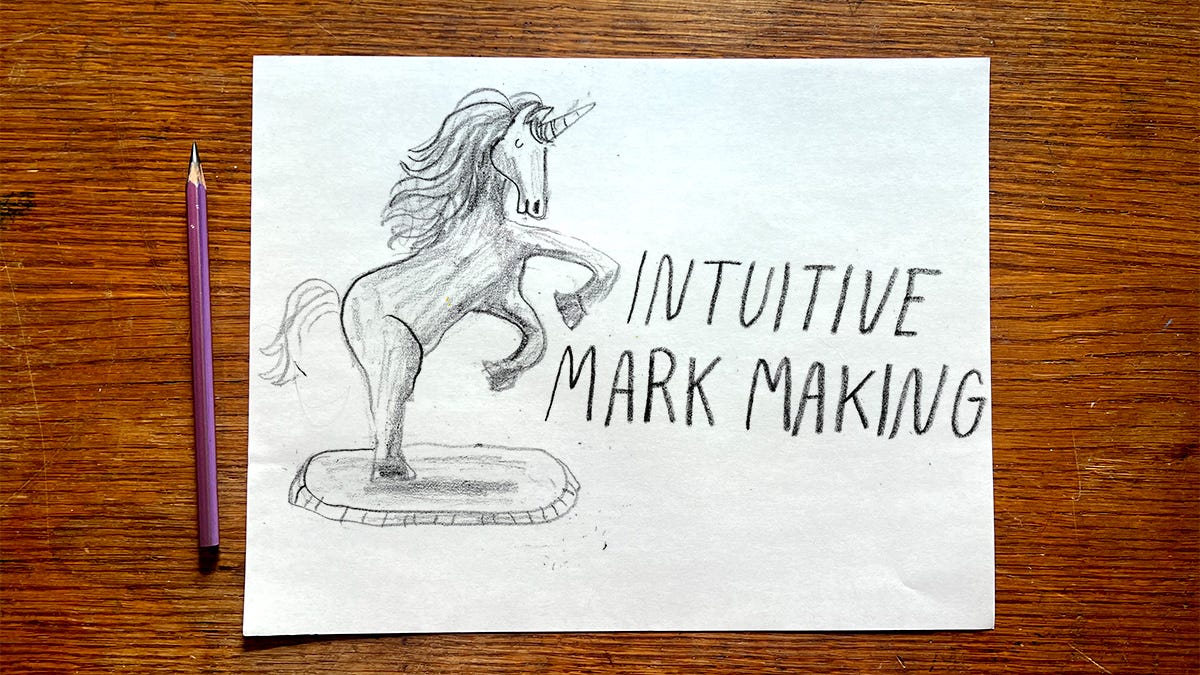
Our marks tell stories about our feelings. This is an entirely human trait; there is no AI feature to replicate the language of line.
Betty Edwards — Drawing on the Right Side of the Brain, would sometimes surprise her students by “reading” their work. She’d call out the emotions they expressed through marks in their drawings.
“I can see you felt great joy in doing most of this drawing, but there’s an area of distress. What happened at this point?” or “I see you really liked drawing the shirt collar, but you didn’t much like drawing the model’s hair,” she’d say.
Our marks tell our truth.
From the lines below, can you differentiate between the fast and slow marks?
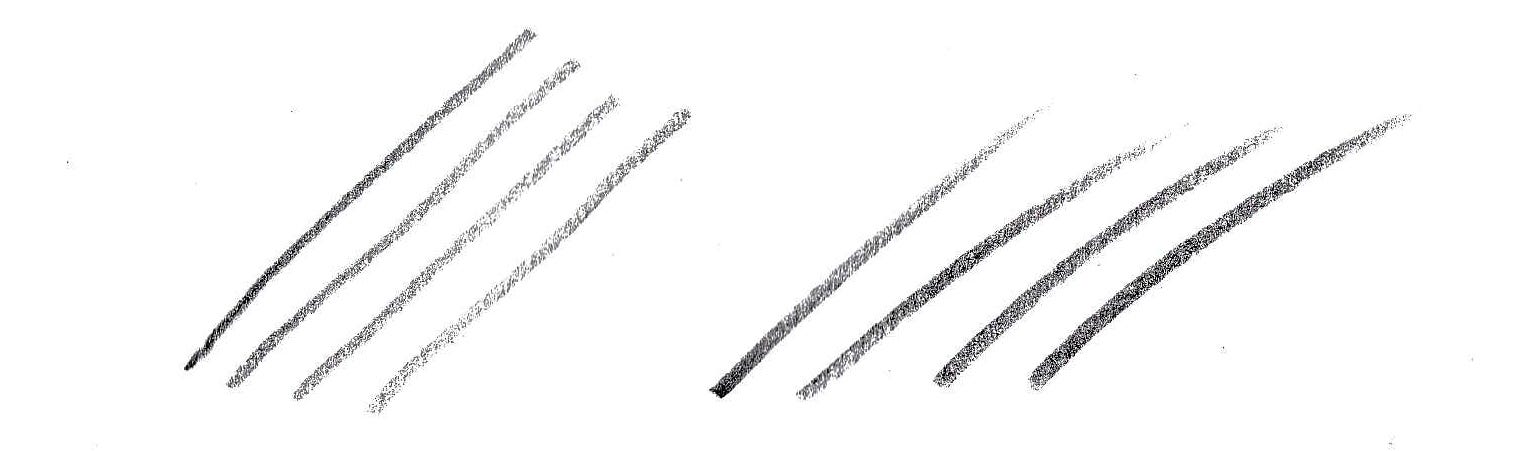
I bet you can. I don’t know exactly why you can, but it’s an inner language we all understand.
Now, let's do an exercise from Edwards' book Drawing on the Artist Within and you’ll see what I mean. Read all the instructions before starting.
Supplies needed: 1 pencil and 1 sheet of printer paper
We’re going to fold the paper like a 1-page zine:
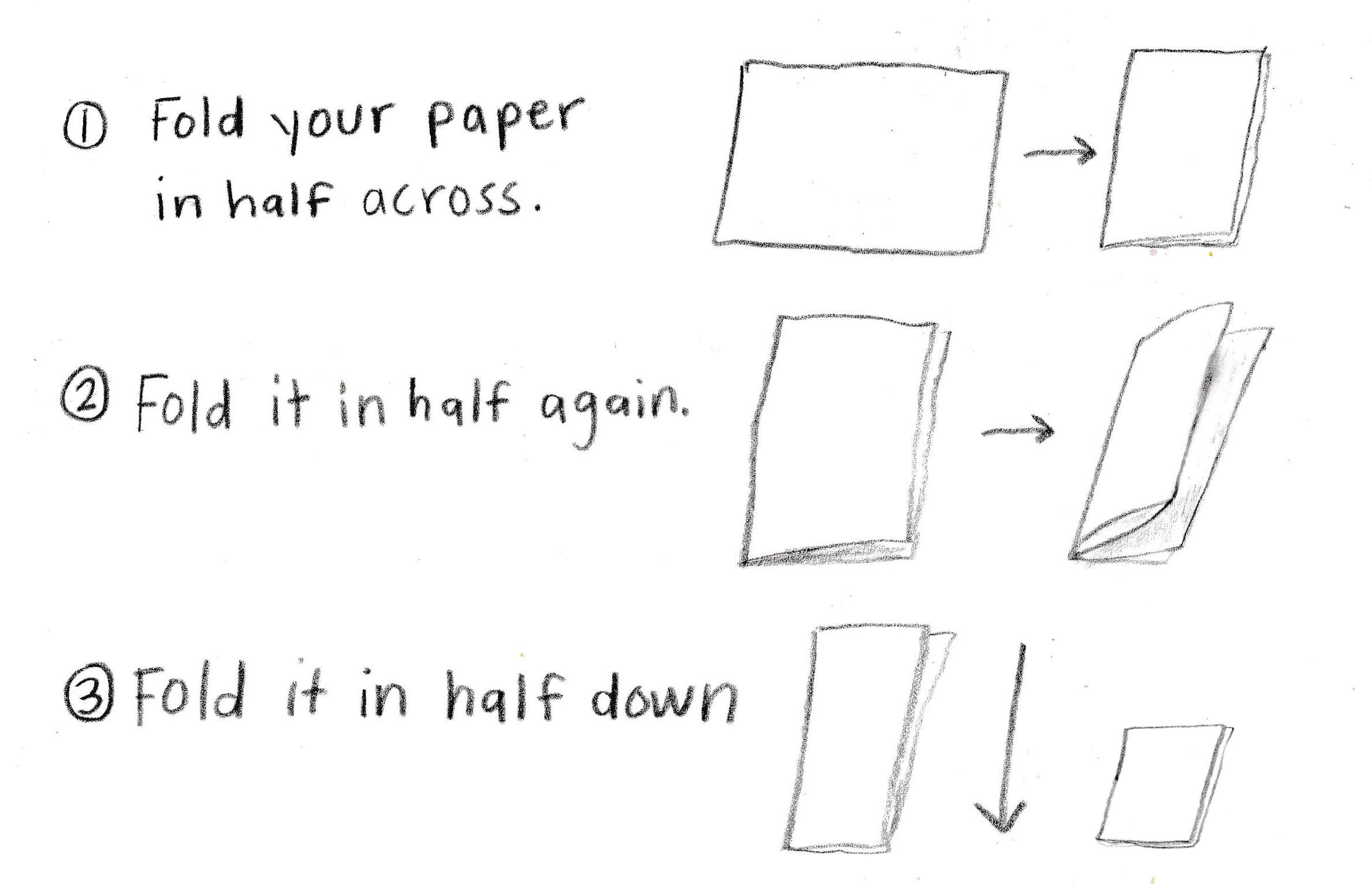
Great job folding, we’re almost ready to make marks!
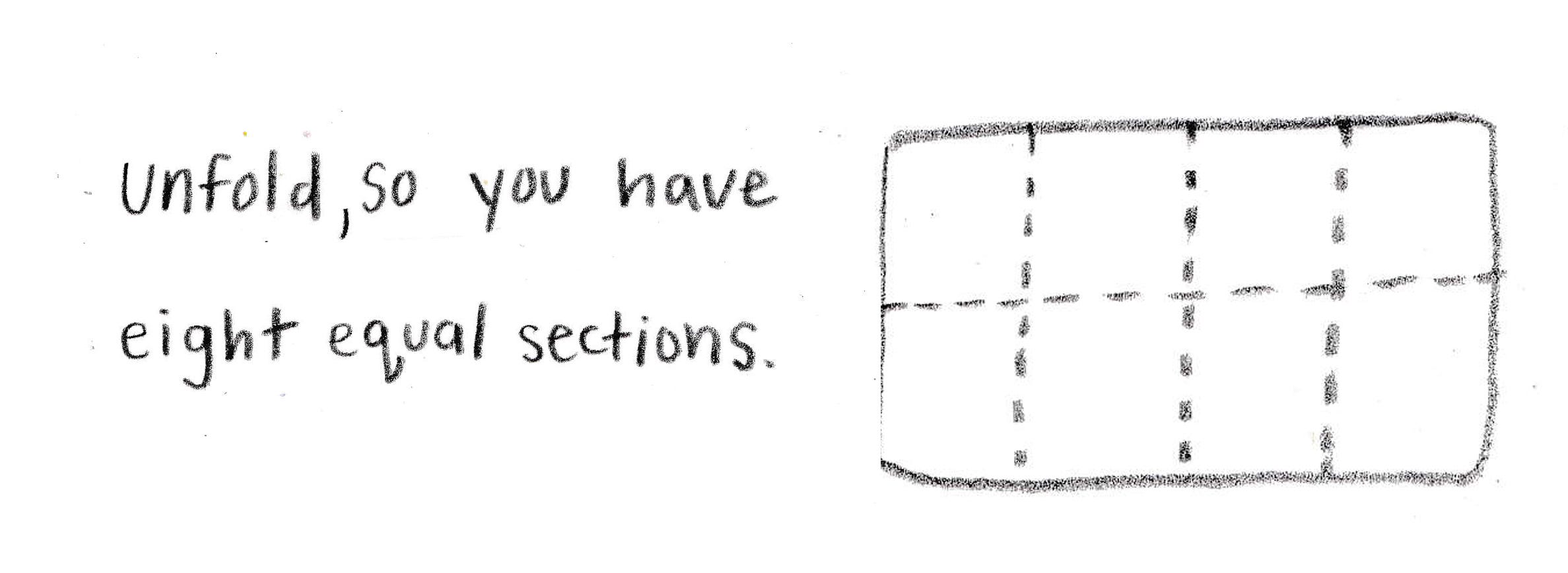
Label each section with the following words:
Rage
Joy
Peace
Depressed
Energetic
Exhausted
Beauty
Today
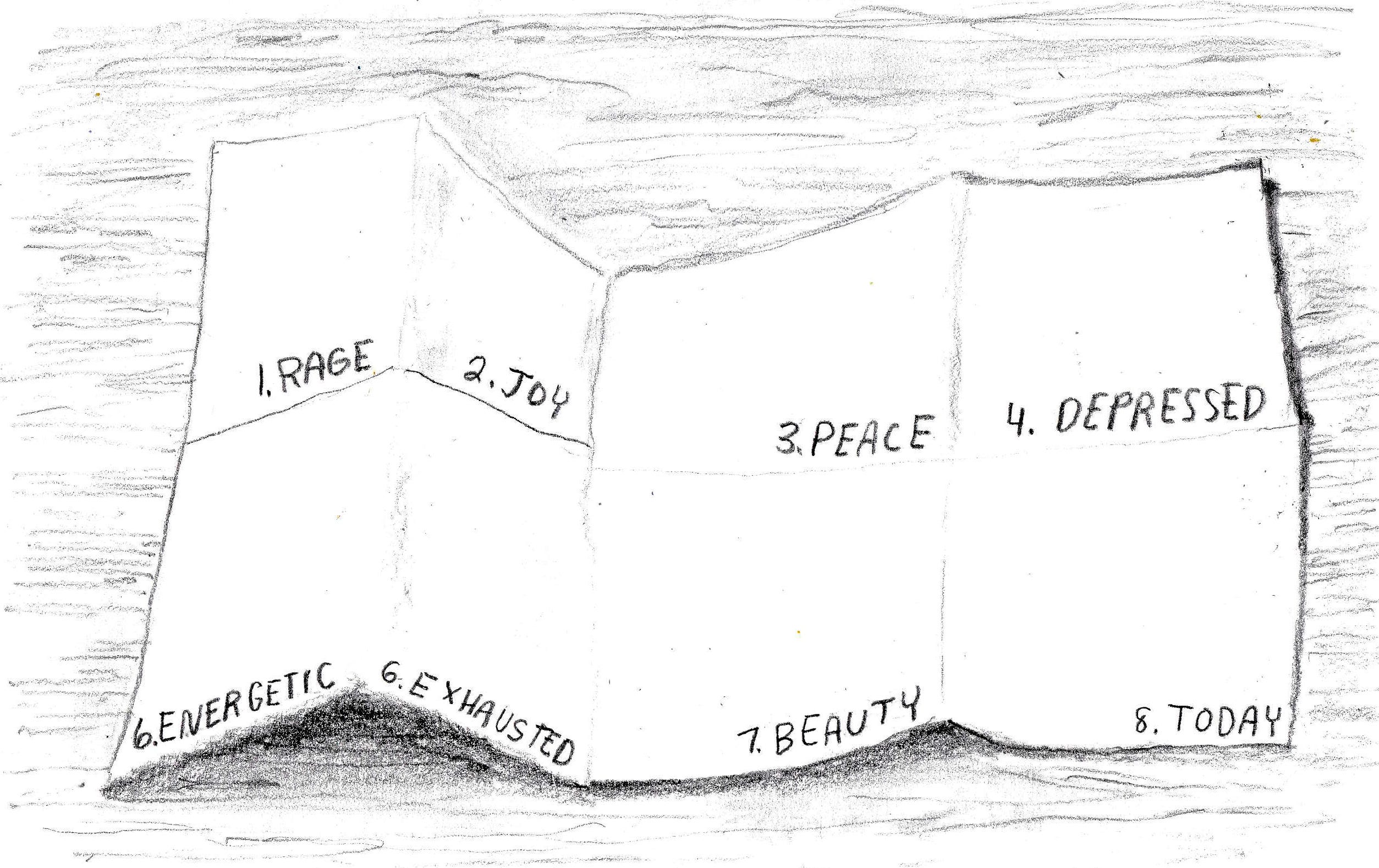
Recall times when you felt each emotion, then make marks to represent them.
IMPORTANT: Use marks only. No symbols or pictures, only marks with your pencil. You may use the side of your pencil, eraser, non-dominant hand, and varied pressure. Any kind of mark is the right kind of mark.
It is remarkable to see how different everyone’s marks are, while still communicating the emotions.
‼️ It is important that you do the exercise before looking at anyone else’s marks.
Upload your work here and celebrate incredible diversity of our human marks!


